
10
CHAPTER 10 · PAINTING · MOORABBIN
A new coat shows every crack, patch and loose edge underneath it. Ivan Bodnar checks the surface, repairs what needs repairing and chooses a product that suits it, so the finish has something sound to hold on to.

CHECKPOINTS · BEFORE THE FIRST COAT
Most paint problems trace back to the surface, not the paint. Skipping a step usually means repainting sooner than expected.
01
Look for cracking, flaking or chalky paint, water staining, mould and soft or damaged areas. Signs of moisture are traced before anything is covered.
02
Fill cracks and holes, re-set damaged plasterboard joints, and replace or patch sections that will not hold a finish. Paint does not fix a failing substrate.
03
Clean, scrape loose coatings, sand and dust down. Kitchen walls and doors often carry grease that needs proper cleaning before any coat will bond.
04
Use a primer or sealer suited to the surface, then the topcoats. Product and sheen are matched to the room, how it is cleaned and how it is used.
SURFACE GUIDE
There is no single product for every surface. The practical options depend on what is there now and what it has to cope with. Related preparation is covered in more detail under Surface Preparation Before New Finishes.
Interior walls and ceilings
Plasterboard joints, nail pops and old patch repairs show through once a fresh coat goes on. Set and sand repairs first, then seal new plaster before topcoats. Kitchens, laundries and bathrooms generally suit a more washable, moisture-tolerant finish.
Doors, skirtings and trims
Glossy older coatings need cleaning and sanding so new paint can grip. Dents and gaps are filled, and the sheen is chosen for wear and cleaning.
Exterior surfaces
Sun, rain and movement are harder on exterior coatings. Loose and flaking paint is removed, timber is checked for rot, and cracks are addressed before an exterior product suited to the material is applied. Weather affects when exterior coats can go on.
WHERE PAINTING USUALLY FITS
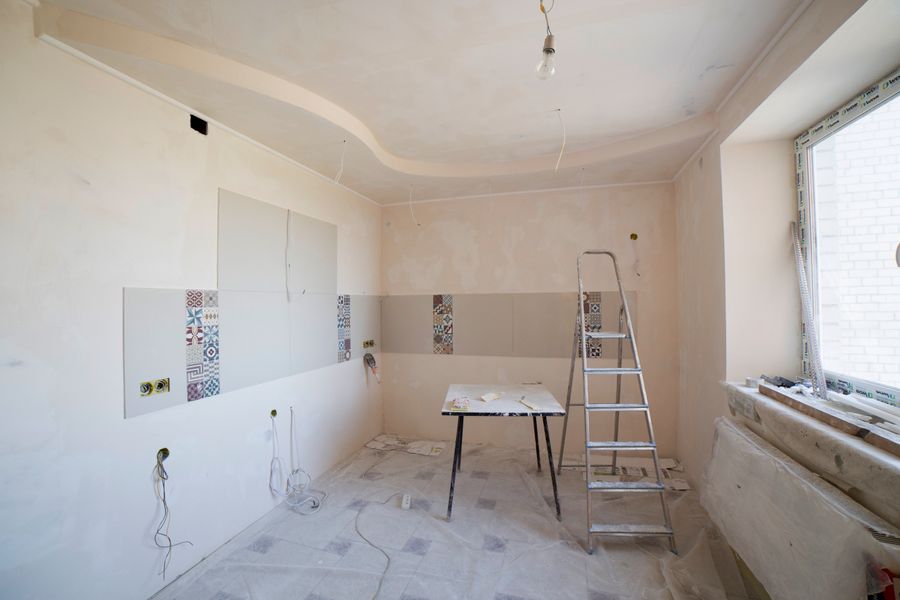
When cabinets come out, walls behind them are often patched, unpainted or damaged. New joinery, a splashback or relocated services can leave plaster repairs that need setting, sanding and sealing before paint.
Planning painting as part of a kitchen renovation in Moorabbin means repairs are done in the right order, and the walls are ready when the new kitchen goes in. The work is usually discussed at the on-site assessment and included in the written quotation where it applies.
WORTH KNOWING
Scope & licensed trades
An inspection cannot reveal every concealed issue. Damage under old paint or behind wall linings can show up once preparation starts, and the scope may need to be reviewed with you if it does.
Ivan is an independent sole trader and does not claim unverified trade licences or builder registration. Where light switches, power points or other fittings need disconnecting, that work is carried out by appropriately authorised specialists. Scope, permits and licensed trade requirements vary from project to project. More detail is on Licensed Trades & Regulated Work.
RELATED ON THIS SHEET
08 Plasterboard Installation & Plastering
03 Surface Preparation Before New Finishes
Painting as part of a kitchen update, or on its own? Describe the rooms and surfaces and Ivan will review your enquiry, or call 0413 142 055 between 9:00 and 18:00, seven days.